
Solar energy in the United States is entering a new phase. For years, the conversation around residential solar was mostly about rooftop panels and monthly savings. In 2026, that conversation has shifted. Homeowners across the country are now pairing their solar systems with a battery, and solar battery storage has quickly become one of the most talked about upgrades in the home energy space. This article breaks down exactly why this shift is happening, what the latest data shows, and whether adding a battery makes sense for your own home.
Battery Adoption Is Surging While Solar Only Demand Cools
The clearest evidence of this shift comes straight from the numbers. Residential battery installations reached a record 1.3 gigawatt hours in the first quarter of 2026, an increase of roughly 86 percent compared to the same period the year before, according to figures reported by Wood Mackenzie and the American Clean Power Association. Even more telling is the attachment rate, meaning the percentage of new solar installations that also include a battery. That number climbed to 45 percent in early 2026, up from 38 percent just one year earlier. In practical terms, almost half of everyone installing solar in America today is choosing to add storage, even though nothing requires them to do so.
Separately, data from the U.S. Energy Information Administration shows homeowners installed a record 673 megawatts of battery storage in the first quarter of 2026 alone. Much of that growth is concentrated in states with high electricity costs and strong storage incentives, including California, Hawaii, Texas, and Arizona.
The Expired Federal Tax Credit Changed the Math for Homeowners
A major driver behind this shift is a significant change in federal policy. The 30 percent federal tax credit for homeowner owned residential solar systems, available under Section 25D of the tax code, officially expired for any system completed after December 31, 2025. For years, that credit made stand alone solar installations financially attractive on their own. Without it, many homeowners buying a system outright in 2026 are facing a very different cost picture.
This change has led a growing number of people to ask a new question. If solar is going to cost more out of pocket than it used to, does adding a battery make the overall investment more worthwhile? For many homeowners, the answer has become yes. Solar battery storage adds real capabilities that panels alone simply cannot offer, including backup power during outages and the ability to use stored energy exactly when it is needed most, regardless of whether a tax credit applies.
Homeowners Are Prioritizing Energy Security, Not Just Monthly Savings
The reasons people go solar have evolved. A few years ago, the primary motivation was almost always lowering the electric bill. Today, homeowners are thinking about something bigger: resilience. What happens during a summer heat wave when the grid is under strain? What happens when a storm knocks out power for hours or even days? What happens when utility rates spike during peak demand periods in the evening?
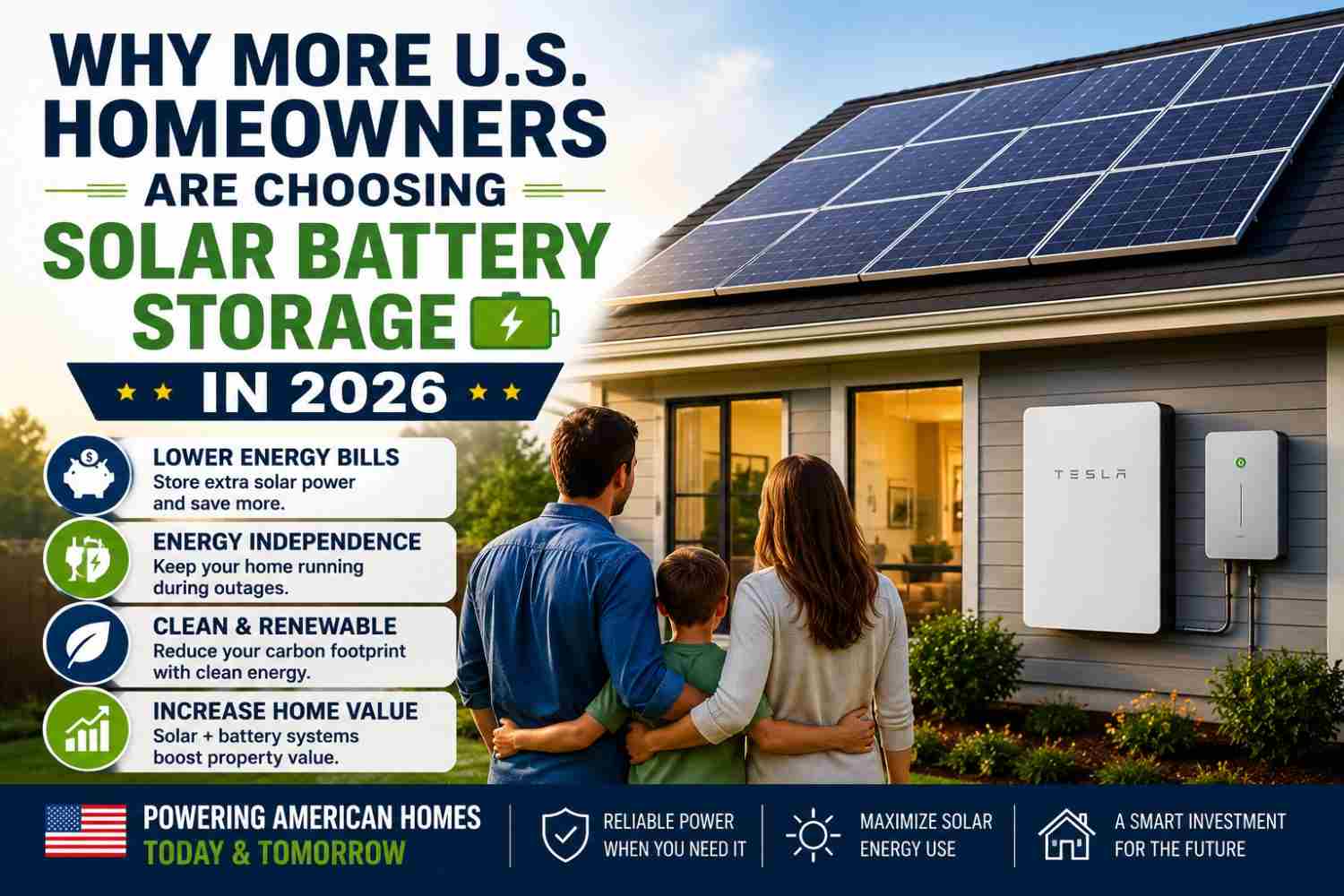
Industry data reflects this shift clearly. Quote requests for solar plus storage systems jumped noticeably in early 2026 as more households began prioritizing backup power and protection from rising rates alongside traditional savings. Solar battery storage answers all of these concerns directly. Instead of sending excess solar power back to the grid and hoping for a fair credit later, homeowners can store that energy and use it themselves when it matters most, whether that is during an evening rate spike or a multi hour power outage.
State Level Incentives Are Fueling Regional Growth
While the federal credit for home solar has expired, many states are still actively encouraging battery adoption through their own rebate programs and incentive structures. States like California, Hawaii, Texas, and Arizona, where electricity costs tend to run high and grid strain is a genuine concern, are seeing some of the fastest battery adoption rates in the entire country.
If you live in one of these states, it is worth taking the time to research what local programs are currently active. State incentives can meaningfully offset the upfront cost of a battery, sometimes making the difference between a system that pays for itself quickly and one that takes many years to break even. Because these programs change frequently, checking with your state energy office or a local installer before committing to a system is a smart first step.
What a Home Battery Actually Does
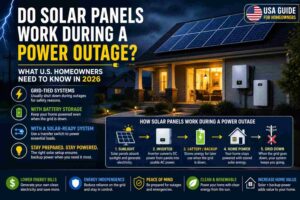
At a basic level, solar battery storage works by capturing the extra electricity your solar panels generate during the day, when the sun is out and production is at its highest, and holding that energy in reserve for later use. Rather than exporting every bit of surplus power back to the grid, homeowners can keep that energy on hand for the evening, for nighttime use, or for an unexpected outage.
This matters more than it might seem at first glance. Many utility companies charge higher rates during peak demand hours, typically in the late afternoon and evening when solar production has already dropped off. Without a battery, homeowners often end up buying expensive grid electricity right when their own solar panels have stopped producing. With a battery, that gap gets filled using energy the household already generated for free earlier in the day, cutting down on reliance on the grid during the most expensive hours.
Financing Options Are Becoming More Flexible
Cost has traditionally been the single biggest obstacle standing between homeowners and battery storage. That barrier is starting to come down. Leasing programs, subscription style plans, and battery specific power purchase agreements are becoming increasingly common across the country. In these arrangements, a third party owns and maintains the battery system, and the homeowner simply pays a fixed monthly fee in exchange for access to the stored power and backup capability.
These financing models are lowering the barrier to entry in a meaningful way. Homeowners who cannot pay for a full system outright now have realistic paths to adding solar battery storage without a massive upfront investment, which helps explain why adoption keeps climbing even as overall solar demand has cooled in some parts of the country.
Batteries Are Becoming Smarter and More Connected
Today’s home batteries are far more sophisticated than the simple backup units of just a few years ago. Many current systems integrate directly with smart thermostats, electric vehicle chargers, and full home energy management platforms, giving homeowners a much clearer and more detailed picture of how their household actually uses electricity throughout the day.
Some utility companies are also rolling out Virtual Power Plant programs, often referred to as VPPs. In these programs, a large network of home batteries works together to support the broader electrical grid during periods of especially high demand. Homeowners who participate are frequently compensated for allowing their stored energy to be used this way. For many households, this shift turns a battery from a simple emergency backup device into an active, income generating part of a genuinely smart home.
Understanding the Cost Picture Before You Commit
One question almost every homeowner asks before adding a battery is simple: how much will this actually cost, and how long until it pays for itself? The honest answer is that it depends heavily on where you live, how large a system you need, and which financing route you choose.
A full home battery system, sized to cover essential circuits during an outage, typically costs more than a smaller system designed only to shift energy usage away from peak hours. Homeowners who mainly want backup power during storms or grid emergencies often need a different sized system than those who simply want to avoid expensive evening electricity rates. Because of this, it is worth having an honest conversation with an installer about your actual goals before agreeing to any specific battery size or brand.
It is also worth understanding that battery pricing has been trending downward for several years as manufacturing scales up and competition increases among major battery brands. While the expired federal tax credit has changed the overall math for solar, falling equipment costs are helping offset some of that impact, particularly for homeowners who qualify for state level rebates on top of standard pricing.
Comparing Battery Chemistry and System Types
Not all home batteries are built the same way, and understanding the basics can help you have a more informed conversation with an installer. Most modern residential batteries use lithium iron phosphate chemistry, often referred to by its shorthand LFP, because it tends to offer strong safety characteristics and a long usable lifespan compared to older battery chemistries. Warranties on these systems commonly cover a decade or more of use, though exact terms vary by manufacturer.
System size is usually measured in kilowatt hours, which tells you how much energy the battery can store at one time. Homeowners focused purely on backup power for a few essential appliances during an outage may only need a smaller capacity system. Those who want to run most of their home off stored solar energy for extended periods typically need a larger, and correspondingly more expensive, setup. An experienced installer can walk through your household’s typical energy usage and help you land on a size that matches your actual needs rather than paying for capacity you will rarely use.
Should You Add Solar Battery Storage in 2026
Not every homeowner needs a battery, and it is not automatically the right choice for every situation. But the broader trend across the United States is impossible to ignore. Solar battery storage has moved from a niche add on reserved for early adopters into a mainstream choice that nearly half of new solar customers are making in 2026.
Before making a decision, it is worth carefully weighing a few key factors. Consider your local electricity rates and how much they vary between peak and off peak hours. Think about how often your area experiences power outages and how disruptive those outages tend to be. Look into what state level incentives you currently qualify for, since these vary widely by location and can change from year to year. And finally, consider how long you realistically plan to stay in your current home, since that timeline affects how quickly a battery system pays for itself.
Talking directly with a licensed solar installer about your specific electricity usage, local rates, and available incentives remains the most reliable way to determine whether pairing battery storage with your solar system genuinely makes sense for your household. As battery costs continue to fall and financing options continue to expand, that answer is becoming yes for a growing share of American homeowners every single year.
Disclaimer: This article is intended for general informational purposes only and does not constitute financial or tax advice. Homeowners should consult a licensed professional for guidance specific to their individual situation.